Opening remarks
Welcome and workshop overview from the organizers.
An ECCV workshop on the data bottleneck for robust medical imaging AI.
September 9, 2026 | Malmö Arena, Mezzanin 3
Enter Malmö Arena at the conference registration entrance. Turn left and take the stairs above the lunch area; Mezzanin 3 is the room on the left at the top.
Poster session during lunch, 12:00–13:30, poster IDs 409–414.
Welcome and workshop overview from the organizers.
Data Curation for SLAM in real human colonoscopy
University of Zaragoza

Test Data Curation for Medical Foundation Models
German Cancer Research Center (DKFZ), Heidelberg
Refreshments and discussion.

Simulating endovascular procedures for scalable perception
Mosaic Intelligence
Daria Iliev, University College London
Rita Cordeiro Mendes, Institute of Systems and Robotics, Lisbon
Francisco Caetano, Eindhoven University of Technology
Poster IDs 409–414. Extra time included so presenting authors can also eat.
Driving AI Innovation in Healthcare through Open Data and Foundation Models
Nvidia MONAI
Yiming Ma, King’s College London
Constantin Seibold, Heidelberg University
Eric L. Wisotzky, Fraunhofer Institute for Telecommunications

Refreshments and discussion.

Awards sponsored by Intuitive. Closing notes from the organizers.

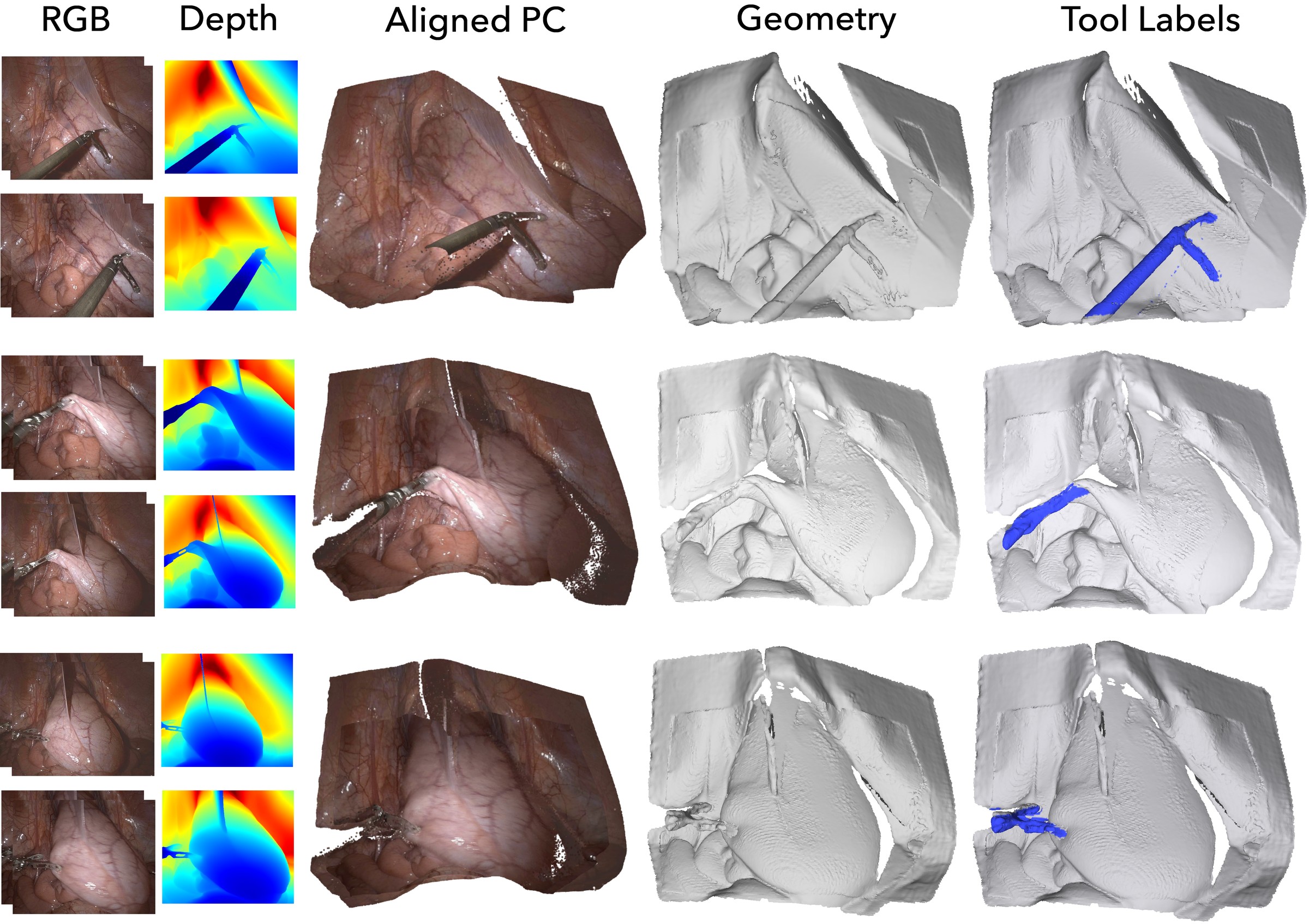
University College London PhD candidate working on surgical computer vision, 3D reconstruction, and the iMED dataset.
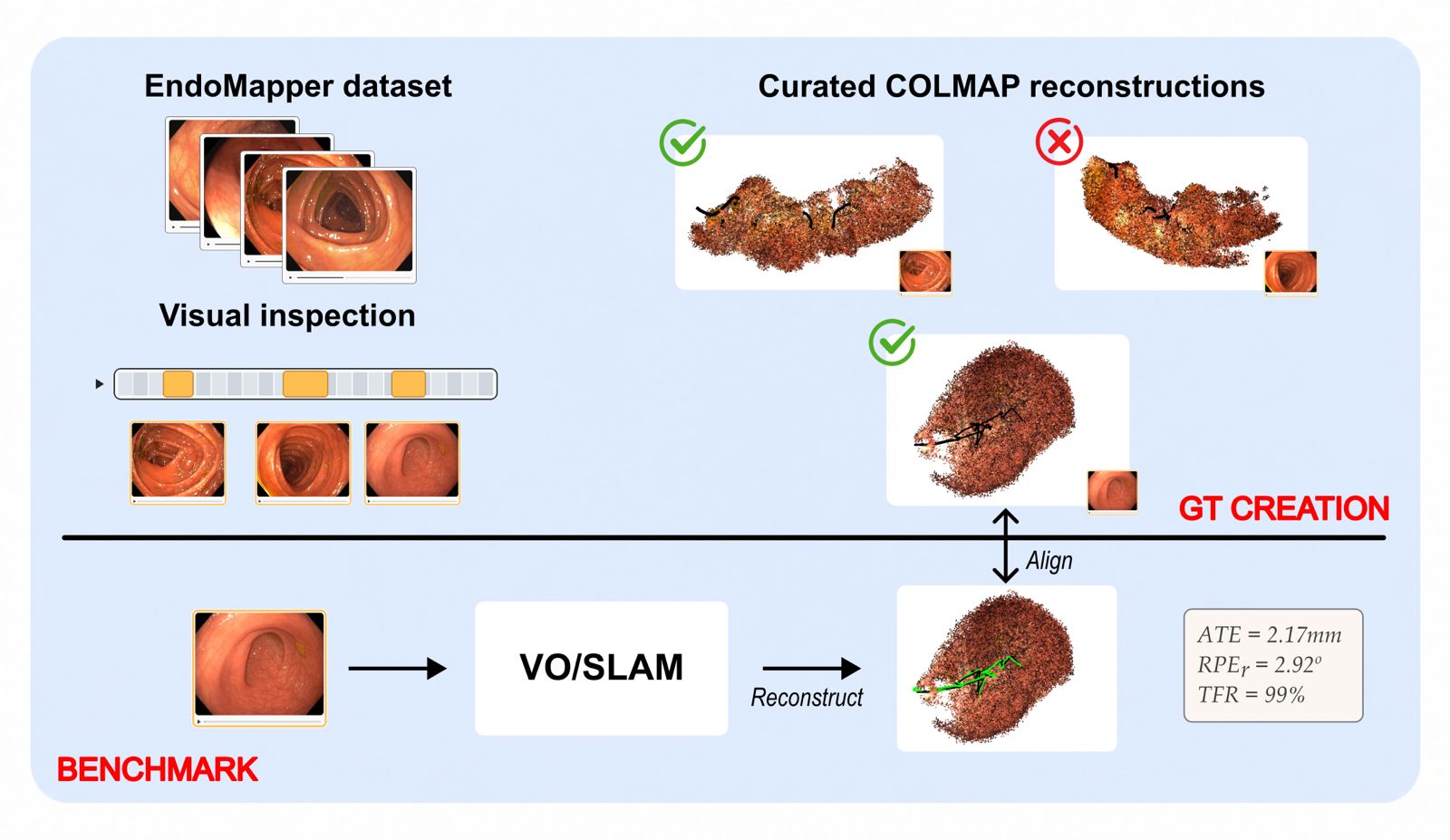
Universidad de Zaragoza PhD researcher developing colonoscopy SLAM, visual place recognition, and CLiMB2026 benchmarking.
Intuitive Surgical machine learning engineer organizing SurgVU and building surgical video understanding and high-resolution endoscopic datasets.
Advanced Research, Intuitive, with work in surgical video understanding, surgical workflow analysis, and medical computer vision.
Intuitive Surgical vision system analyst working on computational imaging and joint optical-software design for surgical imaging systems.
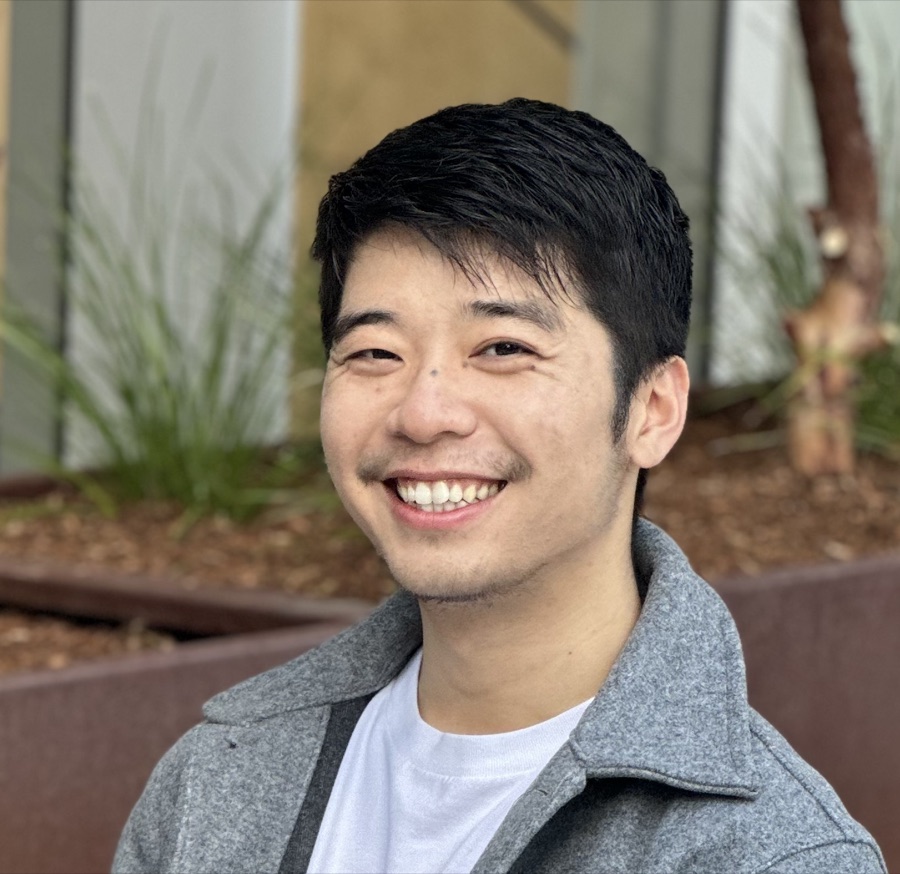
Intuitive Surgical machine learning and computer vision engineer developing AI-driven imaging technologies for surgical robotics.
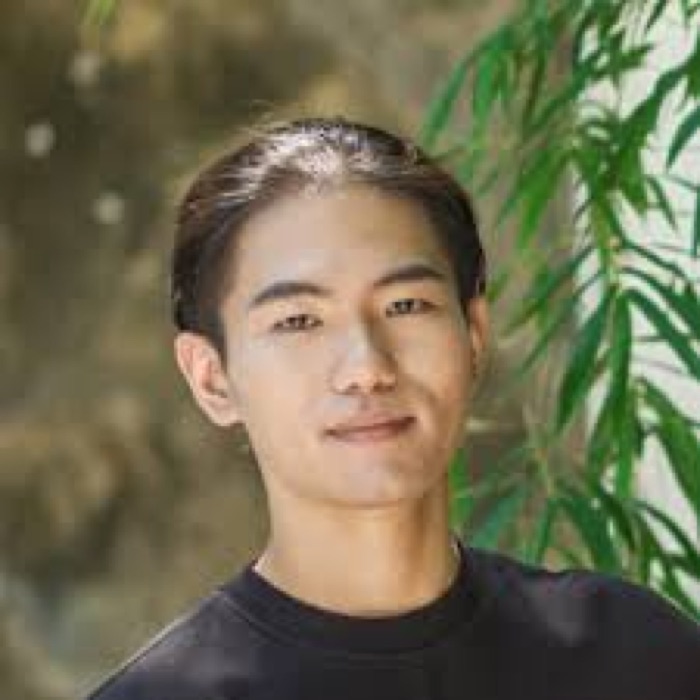
Intuitive Surgical research scientist in computer vision and surgical robotics, with work on robot perception and surgical imaging datasets.

Intuitive Surgical machine learning engineer focused on surgical data science, real-time guidance, and multimodal skill assessment.
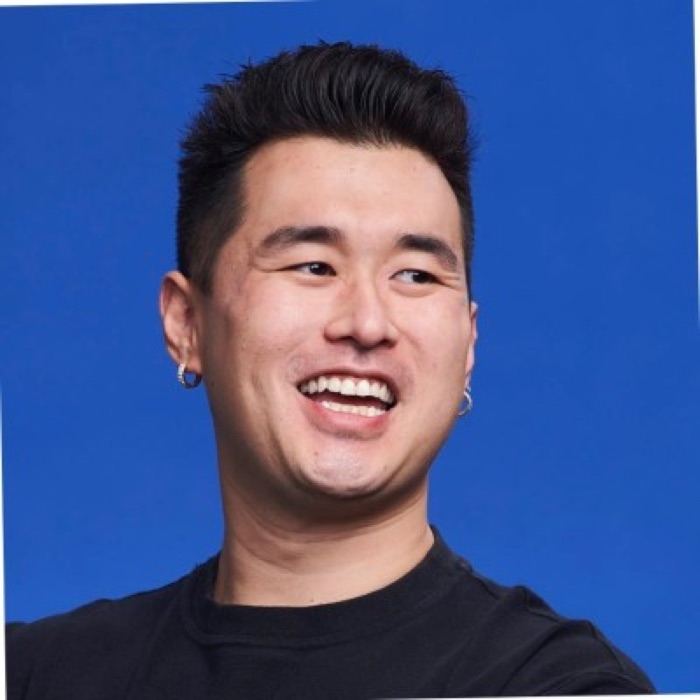
Uber AV Labs machine learning engineer focused on autonomous-vehicle perception, real-time systems, data curation, and robust computer vision evaluation.
Francisco Caetano, Tim J. M. Jaspers, Haiko Middeljans, Martijn R. Jong, R.A.H. van Eijck van Heslinga, Florance C. Slooter, Jeroen de Groof, Jaques Bergman, Peter H.N. de With, Fons van der Sommen
David Tschirschwitz, Volker Rodehorst
Dmitrii Bychkov, Rutwik Shah, Kaustav Mukherjee, Mitchell Ryan So
Yiming Ma, Michela Antonelli
Constantin Seibold, David Vinu, Matthias A. Fink
Rita Cordeiro Mendes, Maria Rita Fonseca Verdelho, Carlos Santiago, Catarina Barata
Eric L Wisotzky, Jost Triller, Simon W. Härtl, Oliver T. Bruns, Peter Eisert, Anna Hilsmann
Ethan Luk, Mayank Golhar, Anthony Song, Raúl Iranzo, Victor M. Batlle, Lalithkumar Seenivasan, JMM Montiel, Nicholas J. Durr
Daria Iliev, Chloe He, Chungha Lee, Halil Ruso, Teodora Popa, Zofia Rzeznik, Rabi Ahmed-Odia, Eirini Bellou, Alexandre Webster, Yongkeun Park, Cristina Fontes Lindemann Hickman, Francisco Vasconcelos
Aisha Urooj, Zain Ul Abdien, Neelu Madan
Multi-Endoscope Dataset for 3D Perception
iMED2026 is a MICCAI/EndoVis challenge on synchronized multi-endoscope data, with relative pose estimation and deformable novel view synthesis tracks for endoscopic 3D perception.
Challenge siteColonoscopy Localization and Mapping Benchmark
CLiMB2026 is an unpublished benchmark under development for colonoscopy localization and mapping. Public dataset access, paper details, and benchmark statistics will be added after organizer review.
Surgical Visual Understanding Dataset Series
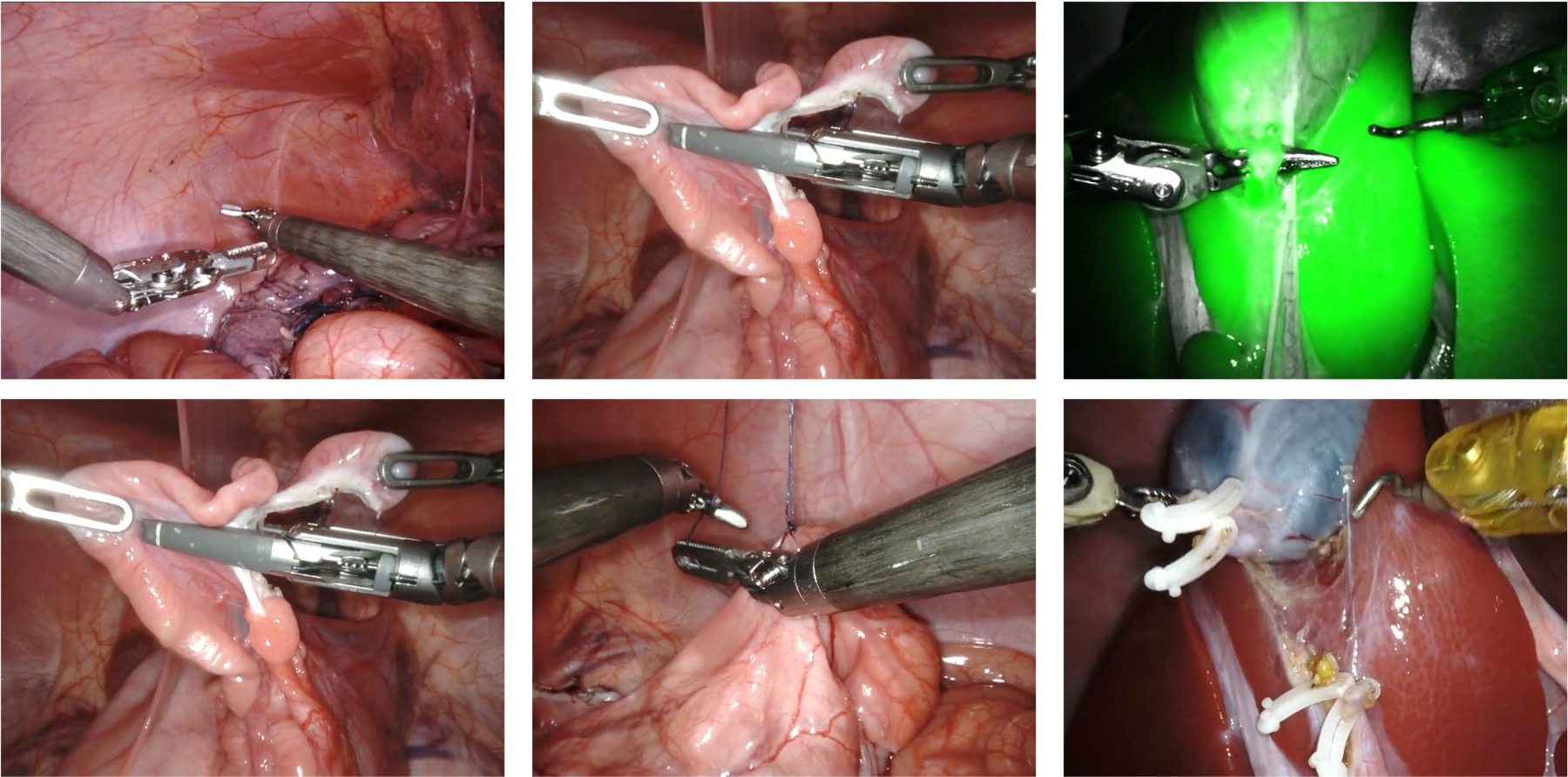
SurgVU focuses on large-scale surgical video understanding. DCA-MI highlights it as a dataset case study for real-world video curation and evaluation.
arXiv:2501.09209Multi-Endoscope Dataset for 3D Perception
iMED2026 is a MICCAI/EndoVis challenge on synchronized multi-endoscope data, with relative pose estimation and deformable novel view synthesis tracks for endoscopic 3D perception.
Challenge siteColonoscopy Localization and Mapping Benchmark
CLiMB2026 is an unpublished benchmark under development for colonoscopy localization and mapping. Public dataset access, paper details, and benchmark statistics will be added after organizer review.
Surgical Visual Understanding Dataset Series
SurgVU focuses on large-scale surgical video understanding. DCA-MI highlights it as a dataset case study for real-world video curation and evaluation.
arXiv:2501.09209Francisco Caetano, Tim J. M. Jaspers, Haiko Middeljans, Martijn R. Jong, R.A.H. van Eijck van Heslinga, Florance C. Slooter, Jeroen de Groof, Jaques Bergman, Peter H.N. de With, Fons van der Sommen
David Tschirschwitz, Volker Rodehorst
Dmitrii Bychkov, Rutwik Shah, Kaustav Mukherjee, Mitchell Ryan So
Yiming Ma, Michela Antonelli
Constantin Seibold, David Vinu, Matthias A. Fink
Rita Cordeiro Mendes, Maria Rita Fonseca Verdelho, Carlos Santiago, Catarina Barata
Eric L Wisotzky, Jost Triller, Simon W. Härtl, Oliver T. Bruns, Peter Eisert, Anna Hilsmann
Ethan Luk, Mayank Golhar, Anthony Song, Raúl Iranzo, Victor M. Batlle, Lalithkumar Seenivasan, JMM Montiel, Nicholas J. Durr
Daria Iliev, Chloe He, Chungha Lee, Halil Ruso, Teodora Popa, Zofia Rzeznik, Rabi Ahmed-Odia, Eirini Bellou, Alexandre Webster, Yongkeun Park, Cristina Fontes Lindemann Hickman, Francisco Vasconcelos
Aisha Urooj, Zain Ul Abdien, Neelu Madan
Full papers in ECCV LNCS format. All submissions are reviewed via a standard double-blind OpenReview workflow by a dedicated program committee. Conflicts of interest are handled per ECCV workshop policies. Accepted papers are included in the workshop program for poster presentation.
Full papers, extended abstracts, and dataset or benchmark papers are welcome.
Papers already published and peer-reviewed at major computer vision, machine learning, medical imaging, robotics, or clinical AI conferences or journals. Submissions are not re-reviewed — the main criteria are topical fit and poster-board availability. Authors submit a link to the paper via the workshop’s OpenReview page.
Original Work: ECCV 2026 LNCS author kit — max. 14 pages excluding references (figures and tables included). Additional reference-only pages are allowed. See the ECCV submission policies.
Published Work: no reformatting — submit the camera-ready version as published at the original venue, plus a link on OpenReview.
Follow the ECCV 2026 submission policies — double-blind anonymization, no author-identifying links, dual-submission rules, and completed OpenReview profiles.
Original Work: double-blind peer review via OpenReview, one round, no rebuttal. Published Work: topical-fit screening only, not re-reviewed.
Poster presentation at DCA-MI 2026. A subset of Original Work papers may be invited for oral presentation.
Document source, consent, licensing, and coverage limits. Submissions with unclear protected-data handling may be desk-rejected.
Enter Malmö Arena at the conference registration entrance. Turn left and take the stairs above the lunch area; Mezzanin 3 is the room on the left at the top.
Poster session during lunch, 12:00–13:30, poster IDs 409–414.
Welcome and workshop overview from the organizers.
Data Curation for SLAM in real human colonoscopy
University of Zaragoza
Test Data Curation for Medical Foundation Models
German Cancer Research Center (DKFZ), Heidelberg
Refreshments and discussion.
Simulating endovascular procedures for scalable perception
Mosaic Intelligence
Daria Iliev, University College London
Rita Cordeiro Mendes, Institute of Systems and Robotics, Lisbon
Francisco Caetano, Eindhoven University of Technology
Poster IDs 409–414. Extra time included so presenting authors can also eat.
Driving AI Innovation in Healthcare through Open Data and Foundation Models
Nvidia MONAI
Yiming Ma, King’s College London
Constantin Seibold, Heidelberg University
Eric L. Wisotzky, Fraunhofer Institute for Telecommunications
Refreshments and discussion.
Awards sponsored by Intuitive. Closing notes from the organizers.
University College London PhD candidate working on surgical computer vision, 3D reconstruction, and the iMED dataset.
Universidad de Zaragoza PhD researcher developing colonoscopy SLAM, visual place recognition, and CLiMB2026 benchmarking.
Intuitive Surgical machine learning engineer organizing SurgVU and building surgical video understanding and high-resolution endoscopic datasets.
Advanced Research, Intuitive, with work in surgical video understanding, surgical workflow analysis, and medical computer vision.
Intuitive Surgical vision system analyst working on computational imaging and joint optical-software design for surgical imaging systems.
Intuitive Surgical machine learning and computer vision engineer developing AI-driven imaging technologies for surgical robotics.
Intuitive Surgical research scientist in computer vision and surgical robotics, with work on robot perception and surgical imaging datasets.
Intuitive Surgical machine learning engineer focused on surgical data science, real-time guidance, and multimodal skill assessment.
Uber AV Labs machine learning engineer focused on autonomous-vehicle perception, real-time systems, data curation, and robust computer vision evaluation.
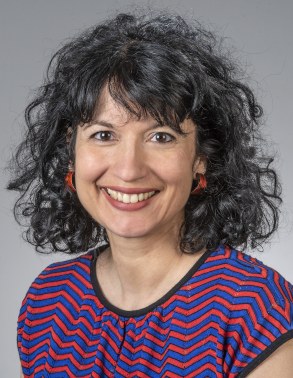 Featured advisor
TUD Dresden University of Technology / National Center for Tumor Diseases Dresden
Professor for Translational Surgical Oncology at NCT Dresden, working on surgical data science, computer-assisted surgery, robotic vision, and AI-enabled clinical translation.
 Featured advisor
University College London
UCL Professor of Robot Vision, Co-Director of the UCL Hawkes Institute, and Royal Academy of Engineering Chair in Emerging Technologies, focused on surgical robotics and AI for minimally invasive interventions.
 Featured advisor
Nvidia
Computer vision and machine learning leader focused on visual perception, robotic systems, and robust real-time AI deployment.
Featured advisorPurdue University / Indiana University School of Medicine / University Hospital Dresden, TUD Dresden University of Technology
Physician-scientist leading translational medical image computing work across surgery, data science, AI-supported cancer surgery, and clinical translation.
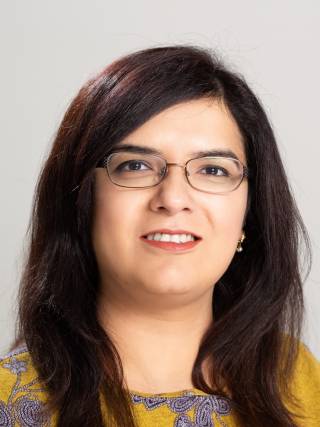 Advisor
University College London
UCL researcher focused on robot vision and scene understanding for minimally invasive surgery.
 Advisor
German Cancer Research Center (DKFZ) / Heidelberg University
DKFZ and Heidelberg University researcher in surgical data science, benchmarking, and reproducible evaluation in medical AI.